
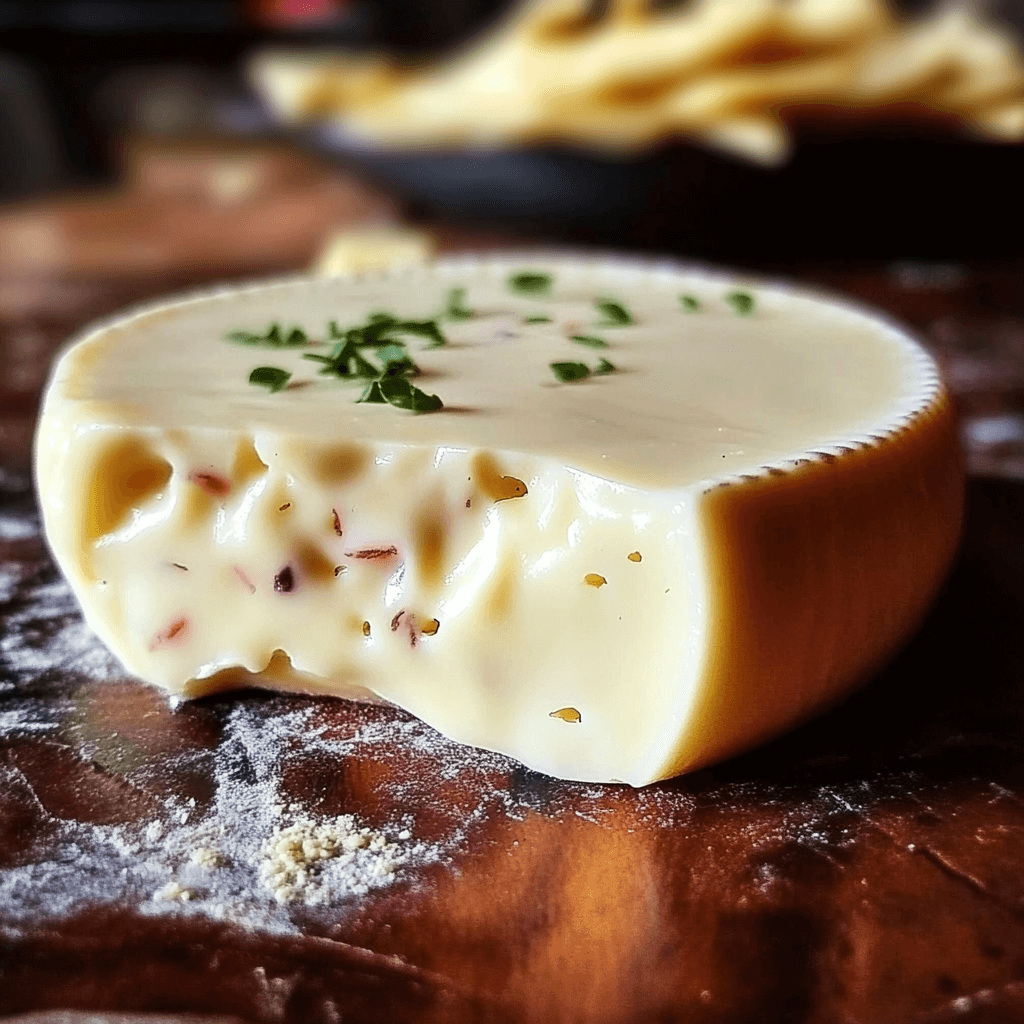
Queso Blanco is a creamy, smooth, and flavorful white cheese dip that’s perfect for dipping tortilla chips, drizzling over tacos, or adding to your favorite Mexican-inspired dishes. With its rich, melty texture and just the right amount of spice, this dip is always a hit!
I first made this when I wanted a restaurant-style queso at home, and it quickly became a favorite. The combination of creamy white cheese, a touch of heat from diced chilies, and the perfect amount of seasoning made every bite absolutely irresistible. It was gone in minutes!
What’s great about Queso Blanco is how easy it is to customize. You can add jalapeños for extra spice, mix in chorizo for a hearty twist, or keep it mild for a classic, smooth dip. Whether you’re serving it at a party or enjoying it as a snack, this cheesy goodness is sure to be a crowd-pleaser!
Perfect for:
- Mexican and Latin American dishes
- Tacos and enchiladas
- Salads and grain bowls
- Grilled and pan-fried appetizers
- Cheese lovers looking for a fresh homemade option
Why You’ll Love This Recipe
Here are 10 reasons why this Queso Blanco will become a staple in your kitchen:
- Mild and Creamy: A smooth, milky taste that complements a variety of dishes.
- Easy to Make: Requires only a few basic ingredients and simple steps.
- No Special Equipment Needed: No aging, special cultures, or rennet required.
- Great for Melting: Holds its shape well but becomes soft and creamy when heated.
- High in Protein: A nutritious addition to your meals.
- Perfect for Frying: Doesn’t melt into a liquid, making it ideal for grilling or frying.
- Customizable Flavor: Can be enhanced with herbs, spices, or citrus zest.
- Budget-Friendly: Homemade cheese is more affordable than store-bought versions.
- Gluten-Free and Vegetarian: Naturally gluten-free and made without animal rennet.
- Fresh and Natural: No preservatives or artificial additives.
Preparation and Cooking Time
- Total Time: 1 hour
- Preparation Time: 10 minutes
- Cooking Time: 20 minutes
- Draining Time: 30 minutes
- Servings: 8 servings
- Calories per serving: Approximately 80-100 calories
- Key Nutrients: Protein: 6g, Carbs: 2g, Fat: 7g
Ingredients
- 1 gallon whole milk (not ultra-pasteurized)
- ¼ cup white vinegar or lemon juice
- 1 teaspoon salt (or to taste)
- Optional: fresh herbs, black pepper, or red pepper flakes for flavoring
Ingredient Highlights
- Whole Milk: Provides a rich, creamy texture.
- Vinegar or Lemon Juice: The acidity helps curdle the milk to form cheese.
- Salt: Enhances the flavor and helps preserve the cheese.
- Herbs and Spices: Optional, but add extra depth to the cheese.
Step-by-Step Instructions
Curdling the Milk:
- Heat the Milk: Pour the milk into a large pot and heat over medium heat until it reaches 185-190°F (85-88°C). Stir occasionally to prevent scorching.
- Add the Acid: Remove from heat and slowly stir in the vinegar or lemon juice. The milk should begin to curdle immediately.
- Rest: Let the mixture sit for 10 minutes to allow the curds to fully form.
Straining the Cheese:
- Prepare the Strainer: Line a colander with cheesecloth or a clean kitchen towel and place it over a large bowl to catch the whey.
- Drain the Curds: Carefully pour the curdled milk into the lined colander. Let it drain for about 15 minutes.
- Season the Cheese: Sprinkle the salt over the curds and mix gently. Add optional herbs or spices if desired.
Shaping the Cheese:
- Gather and Press: Gather the cheesecloth edges together and twist to squeeze out more whey.
- Set and Cool: Place the wrapped cheese on a plate with a light weight on top (like a small pot) and let it sit for another 15 minutes.
Serve:
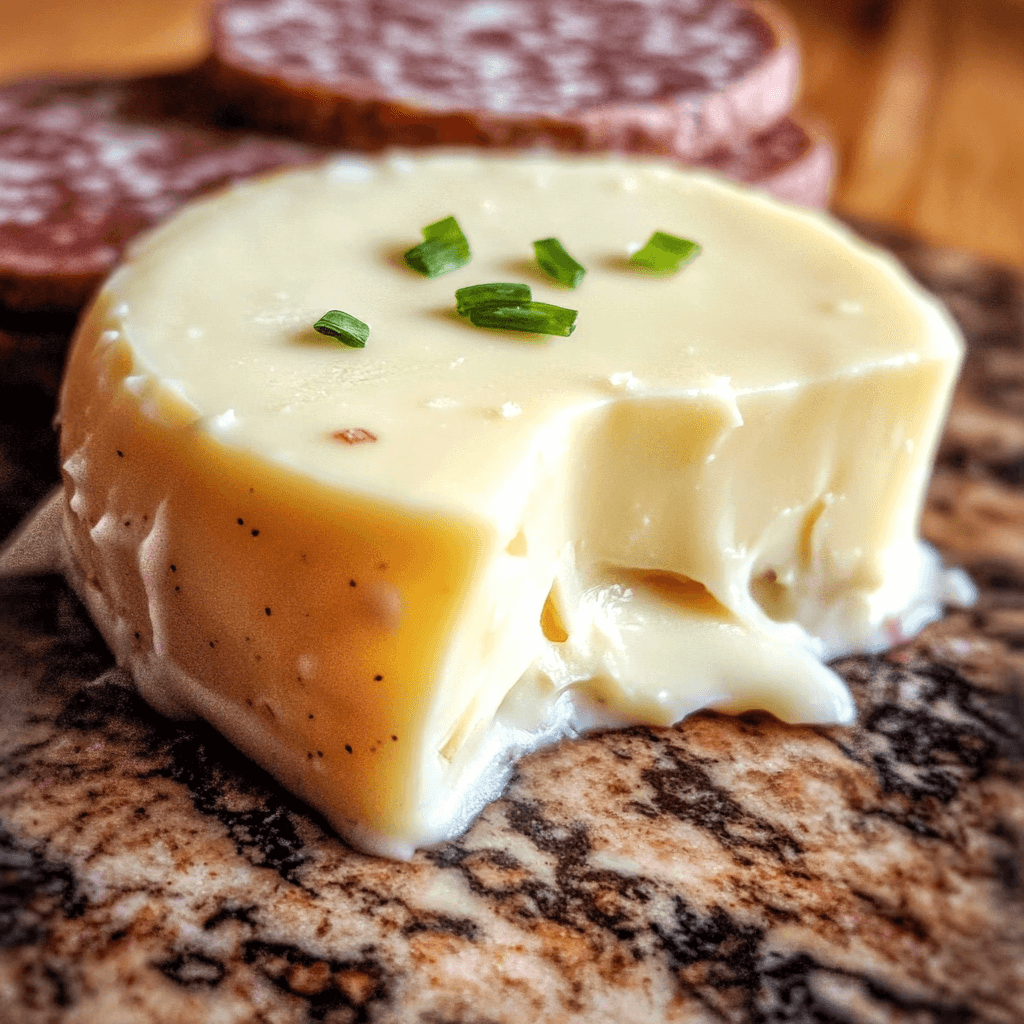
- Unwrap and Enjoy: Once firm, unwrap the cheese and serve immediately or refrigerate for up to 5 days.
How to Serve
Here are 10 ways to enjoy Queso Blanco:
- Crumbled Over Tacos: Adds a creamy, mild contrast to bold flavors.
- Melted in Quesadillas: Softens beautifully when warmed.
- Topped on Salads: A fresh, protein-packed addition.
- Pan-Fried: Develops a crispy golden crust while staying firm inside.
- Blended into Soups: Gives a smooth, rich texture.
- With Fresh Fruit: Pairs well with tropical fruits like mango and pineapple.
- Grilled and Skewered: Holds its shape when grilled with vegetables.
- In Breakfast Dishes: A delicious addition to eggs and omelets.
- Served with Crackers: A simple, satisfying snack.
- Stuffed in Peppers: Creates a rich, creamy filling.
Additional Tips
- Use High-Quality Milk – Whole milk works best for a rich and creamy texture. Avoid ultra-pasteurized milk, as it may not curdle properly.
- Control the Acidity – White vinegar or lemon juice can be used to curdle the milk. Experiment with the amounts to get the perfect balance of tanginess.
- Stir Gently – Once you add the acid, stir slowly and gently to encourage even curd formation without breaking them apart.
- Let It Rest – After curdling, let the mixture sit for 5–10 minutes to ensure all curds have fully formed before straining.
- Drain Properly – Use cheesecloth or a fine-mesh strainer to remove excess whey. A longer draining time results in a firmer cheese.
- Season to Taste – While traditionally mild, you can enhance the flavor with a pinch of salt or mix in spices like smoked paprika or cumin.
- Press for Firmness – If you want a denser texture, place a weight over the cheese for an hour or more to press out additional whey.
- Experiment with Herbs – Fresh herbs like cilantro, chives, or oregano can be mixed in for extra flavor before the cheese sets.
- Store Properly – Keep queso blanco in an airtight container in the refrigerator for up to a week. It can also be frozen for longer storage.
- Enjoy It Warm – Queso blanco is delicious when freshly made and still warm. Try it crumbled over tacos, mixed into dips, or paired with fresh tortillas.
Recipe Variations
- Spicy Queso Blanco – Add diced jalapeños, serrano peppers, or a pinch of cayenne for a fiery kick.
- Chorizo Queso Blanco – Stir in cooked, crumbled chorizo for a smoky, savory flavor.
- Tex-Mex Queso Blanco – Mix in taco seasoning, diced tomatoes, and green chilies for a Southwest-inspired twist.
- Garlic Herb Queso Blanco – Infuse with roasted garlic, fresh cilantro, and a touch of oregano for an aromatic, flavorful dip.
- Smoky Chipotle Queso Blanco – Blend in chipotle peppers in adobo sauce for a deep, smoky heat.
- Poblano Queso Blanco – Roast and dice poblano peppers for a mild, earthy flavor boost.
- Cajun Queso Blanco – Season with Cajun spices and mix in diced Andouille sausage for a bold, Southern twist.
- Avocado Queso Blanco – Stir in mashed avocado and a squeeze of lime juice for a creamy, fresh variation.
- Buffalo Queso Blanco – Swirl in buffalo sauce and top with crumbled blue cheese for a tangy, spicy kick.
Special Equipment
- Large Pot: For heating the milk.
- Thermometer: Helps maintain the correct temperature.
- Cheesecloth or Fine Mesh Strainer: For separating curds from whey.
- Colander: To assist in draining.
- Heavy Object: For pressing the cheese.
FAQ Section
- What is Queso Blanco?
Queso Blanco is a fresh, white cheese with a mild, creamy flavor and a slightly crumbly texture. It’s commonly used in Mexican and Latin American cuisine. - How is Queso Blanco different from Queso Fresco?
While both cheeses are fresh and white, Queso Blanco is typically made by curdling milk with an acid (like vinegar or lemon juice), whereas Queso Fresco is made with rennet. This makes Queso Blanco slightly firmer. - Can I melt Queso Blanco?
Queso Blanco softens when heated but doesn’t melt into a gooey consistency like cheddar or mozzarella. It holds its shape, making it perfect for frying or crumbling over dishes. - How can I use Queso Blanco in recipes?
It’s great for topping tacos, enchiladas, and soups, crumbling over salads, stuffing into peppers, or frying into crispy cheese sticks. - Is Queso Blanco lactose-free?
Since Queso Blanco is made from cow’s milk, it contains lactose. However, some people with mild lactose intolerance can tolerate it in small amounts. - How long does Queso Blanco last in the refrigerator?
Fresh Queso Blanco lasts about 1-2 weeks when stored properly in an airtight container in the fridge. - Can I freeze Queso Blanco?
While it’s possible to freeze Queso Blanco, the texture may become crumbly and slightly grainy once thawed. It’s best enjoyed fresh. - What’s the best way to store Queso Blanco?
Keep it wrapped in parchment paper or plastic wrap and store it in an airtight container in the fridge to maintain freshness. - Can I make Queso Blanco at home?
Yes! You can make Queso Blanco by heating milk and adding an acid like vinegar or lemon juice to form curds, then draining and pressing the cheese. - Is Queso Blanco healthy?
Queso Blanco is a good source of protein and calcium but should be eaten in moderation due to its fat content. Opt for low-fat versions if you’re watching your diet.
Conclusion
Queso Blanco is a rich, creamy, and ultra-smooth cheese dip that’s perfect for dipping tortilla chips, drizzling over tacos, or serving with your favorite Tex-Mex dishes. Made with white cheese, a touch of spice, and just the right amount of heat, this restaurant-style queso is sure to be a hit at any gathering.
This recipe is easy to customize—add diced jalapeños or green chilies for a spicy kick, stir in cooked chorizo for extra flavor, or mix in a splash of salsa for a tangy twist. Serve it warm and gooey straight from the stovetop or slow cooker, and watch it disappear in no time!
I can’t wait to see how your Queso Blanco turns out! Be sure to share your photos on Instagram and tag me—I’d love to see your delicious creations. Don’t forget to leave a comment and let me know how you made this recipe your own!